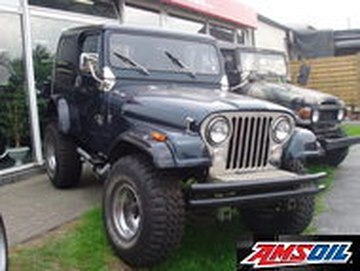
Maintenance Guidance for the 1983 Jeep CJ-7 2.5L
Maintaining a vintage vehicle like the 1983 Jeep CJ-7 requires consistent attention to fluid levels and filtration components to ensure long-term operational health. Because this vehicle relies on specific mechanical configurations, following established maintenance patterns is essential for preserving the engine and drivetrain.
What transmission filter does my 1983 Jeep CJ-7 2.5L need?
For the 1983 Jeep CJ-7 with the 2.5L engine, the WIX Transmission Filter (part number 58707-EA) is listed for this vehicle.
Engine Oil Maintenance Fundamentals
The engine is the heart of the vehicle, and regular oil changes are a primary component of routine maintenance. Engine oil serves several critical functions: it lubricates moving parts to reduce friction, helps clean the internal components by carrying contaminants to the filter, and assists in cooling the engine by absorbing heat. For this specific 1983 Jeep CJ-7 application, the database allows for the use of 10W-30 oil.
When performing an oil change, it is important to inspect the oil level using the dipstick regularly. Low oil levels can lead to increased friction and heat, which may cause premature wear on internal engine components. Always check the oil level when the vehicle is parked on a level surface to ensure an accurate reading.
Understanding Filtration Systems
Filtration is just as important as the fluid itself. An oil filter captures microscopic debris, metal shavings, and carbon deposits that naturally accumulate during the combustion process. If a filter becomes clogged or reaches the end of its service life, it can no longer effectively clean the oil circulating through the 2.5L engine.
In addition to the engine oil filter, other systems in the vehicle utilize filtration to maintain cleanliness. As noted with the transmission system, using the correct filter listed for your specific application helps prevent debris from entering sensitive hydraulic or gear-driven components. Regularly inspecting all filters—including those for fuel and air intake—is a standard part of a comprehensive maintenance routine.
Monitoring Fluid Integrity
Beyond engine oil, various other fluids are necessary for the operation of a 1983 Jeep CJ-7. While specific capacities and types vary by component, maintaining proper levels is a universal requirement. This includes checking transmission fluid, brake fluid, and coolant levels.
When inspecting fluids, look for changes in color or consistency. For example, oil that appears excessively dark or contains visible particulates may indicate that the engine is producing more sludge than usual or that there is internal wear. Similarly, if transmission fluid shows signs of discoloration, it may be time to consult your manufacturer maintenance schedule regarding a fluid service.
Routine Inspection Schedules
To keep a vehicle of this age in reliable condition, owners should not rely on guesswork regarding when to perform services. Instead, you should follow the owner's manual or the manufacturer's recommended maintenance schedule. These schedules provide the baseline for how often to change oil, inspect belts, and rotate tires.
A proactive approach involves performing visual inspections more frequently than the scheduled service intervals. Checking for leaks under the vehicle after it has been parked can help identify failing gaskets or seals before they lead to significant fluid loss. Catching a small leak early is much simpler than addressing a major component failure caused by fluid starvation.
Environmental and Storage Considerations
How a vehicle is stored can impact its maintenance needs. If the 1983 Jeep CJ-7 is stored in an environment with extreme temperature fluctuations, fluids may degrade differently than they would in a climate-controlled garage. Extreme heat can accelerate the oxidation of engine oil, while extreme cold can affect how fluids flow through the system during startup.
If the vehicle sits for extended periods without being driven, it is wise to check all fluid levels before starting the engine. Stagnant fluids can sometimes settle or collect moisture, which may affect their protective qualities. Regular short trips can help keep seals lubricated and prevent the buildup of moisture within the crankcase.
BUYING ENGINE OIL
When you are ready to purchase supplies, ensure you are selecting products that meet the requirements for your specific engine. For this 1983 Jeep CJ-7 2.5L, refer to the allowed viscosity of 10W-30. When shopping, look for reputable brands and verify that the product is intended for use in your vehicle's engine type. Always check the container labels carefully to ensure the specifications match what your maintenance documentation requires.